Klaviyo Review: The Shopify Email Platform I’d Build Around

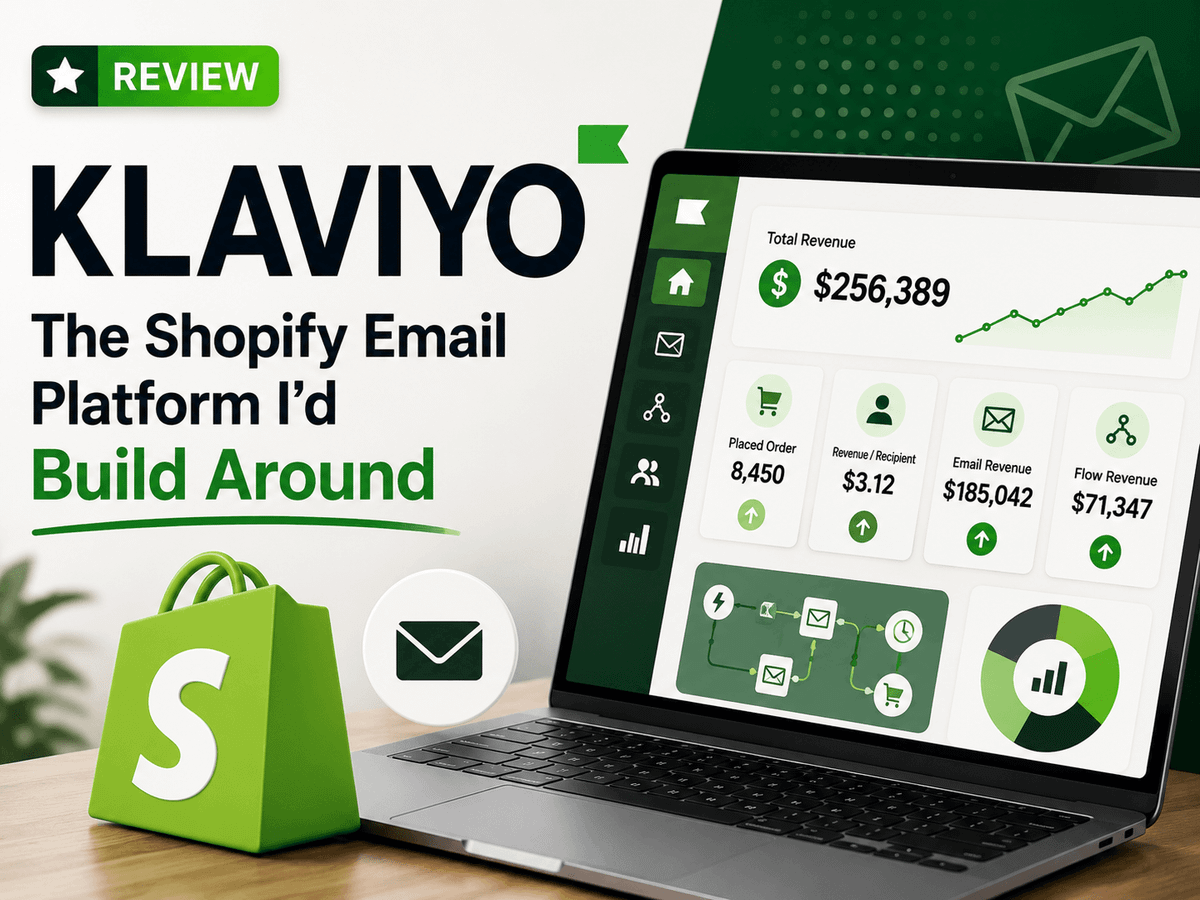
TL;DR: Klaviyo is the right email marketing platform for Shopify stores. If you run ecommerce on Shopify and want email to become a real revenue channel, Klaviyo is the standard I would build around.
The Shopify integration is excellent. The segmentation is best-in-class. The automation flows are built for abandoned carts, welcome sequences, post-purchase emails, win-back campaigns, repeat purchases, and customer retention.
Yes, Klaviyo costs more than simpler tools. But for Shopify stores, that is usually the wrong comparison. Klaviyo gives you the data, automation, and revenue tracking needed to make email marketing actually perform.
My verdict: 9.5 / 10
Why Email Marketing and Retention Should Be Your Priority
Most Shopify store owners focus too much on acquisition.
Meta ads. TikTok ads. Google Shopping. Influencers. SEO.
All of that matters, but acquisition keeps getting more expensive. You pay to bring someone to your store, and if they leave without buying — or buy once and never come back — you have to pay again.
Email marketing fixes part of that problem.
Once someone joins your list or buys from your store, email gives you a channel you own. You can bring them back with welcome flows, abandoned cart emails, post-purchase sequences, replenishment reminders, launch campaigns, and win-back flows.
That is where Klaviyo fits.
Klaviyo is not just a newsletter tool. It is a retention system for Shopify stores that want to turn customer data into repeat revenue.
The real opportunity is not sending more emails. It is sending better emails based on what customers actually do in your store.
Abandoned carts. One-time buyers. VIP customers. Product viewers. Customers who should reorder. Customers who are slipping away.
Klaviyo is built for that.
What Is Klaviyo?
Klaviyo is an email and SMS marketing platform built for ecommerce brands.
The reason it works so well for Shopify is data.
Klaviyo connects with Shopify and uses purchase history, browsing behavior, order events, abandoned cart activity, customer profiles, product data, and engagement signals to power segmentation and automation.
That is the difference between Klaviyo and a basic email platform.
With a simple email tool, you mostly send campaigns to lists.
With Klaviyo, you can build flows and segments around real customer behavior.
For example:
- customers who bought once but never came back
- VIP customers with high lifetime value
- shoppers who abandoned checkout
- people who viewed a product but did not buy
- customers likely to churn
- buyers who should receive a replenishment reminder
- customers who bought one product and should be offered another
This is why Klaviyo has become the default email platform for serious Shopify merchants.
It gives you the infrastructure to make email a revenue channel, not just a communication channel.
Who Is Klaviyo For?
Klaviyo is for Shopify stores that want to take email seriously.
That includes growing stores, established stores, and early-stage stores that want to build on the right platform from the start.
You do not need to wait until your store is huge to use Klaviyo. In fact, setting up Klaviyo early can be a smart move because your customer data, flows, segments, and list strategy can grow inside one platform instead of being rebuilt later.
Klaviyo is the right fit if:
- you run a Shopify store
- you want email to drive revenue
- you want stronger abandoned cart recovery
- you want better welcome, post-purchase, and win-back flows
- you care about segmentation
- you want revenue attribution
- you want email and SMS in one platform
- you want a system that can grow with your store
The way I’d frame it is simple:
If Shopify is your ecommerce platform, Klaviyo should be the email platform you seriously consider first.
It is not the cheapest option. It is the strongest option.
Klaviyo Scorecard
| Area | Rating | Notes |
|---|---|---|
| Shopify integration | 9.8/10 | One of the strongest ecommerce integrations available |
| Segmentation | 9.8/10 | Best-in-class for Shopify customer targeting |
| Automation flows | 9.6/10 | Excellent for abandoned cart, welcome, post-purchase, and win-back flows |
| Email editor | 8.8/10 | Flexible and good enough for most stores |
| SMS marketing | 8.7/10 | Strong if SMS is part of your retention strategy |
| Reporting | 9.4/10 | Clear revenue attribution and flow performance data |
| Ease of use | 8.4/10 | More advanced than basic tools, but worth learning |
| Pricing/value | 9.0/10 | Strong value when email drives revenue |
| Overall | 9.5/10 | Best fit for Shopify retention marketing |
Key Features
Segmentation
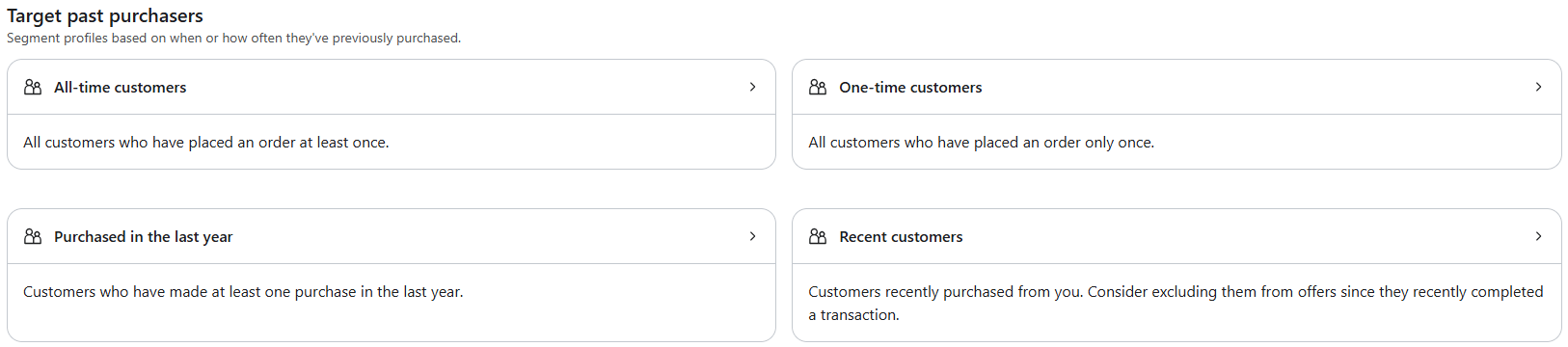
Segmentation is the biggest reason Klaviyo stands out.
Klaviyo’s segment builder lets you create dynamic customer groups based on purchase history, spending habits, engagement, location, predicted lifetime value, churn risk, products viewed, products bought, and more.
Most tools give you basic segmentation.
Klaviyo gives you ecommerce segmentation.
That matters because different customers should get different emails.
A first-time buyer should not get the same message as a VIP customer. A customer who bought once six months ago should not get the same email as someone who purchased last week. A customer who always buys full price should not be treated the same as someone who only buys with discounts.
Klaviyo makes those differences usable.
For Shopify stores, this is the main reason to choose Klaviyo over simpler email tools.
Shopify Integration
Klaviyo’s Shopify integration is one of the best in ecommerce.
Product data, purchase history, abandoned cart behavior, customer profiles, browsing activity, fulfilled orders, cancelled orders, and checkout events can all sync into Klaviyo.
That gives you the foundation for proper email automation.
This is where Klaviyo feels different from general email tools. It is not trying to serve every type of business equally. It is built around ecommerce behavior.
For Shopify merchants, that focus matters.
You can build flows based on what customers bought, how often they buy, what they looked at, how much they spent, and where they are in the customer journey.
That is the whole point.
Klaviyo turns Shopify data into email and SMS actions.
Automation Flows
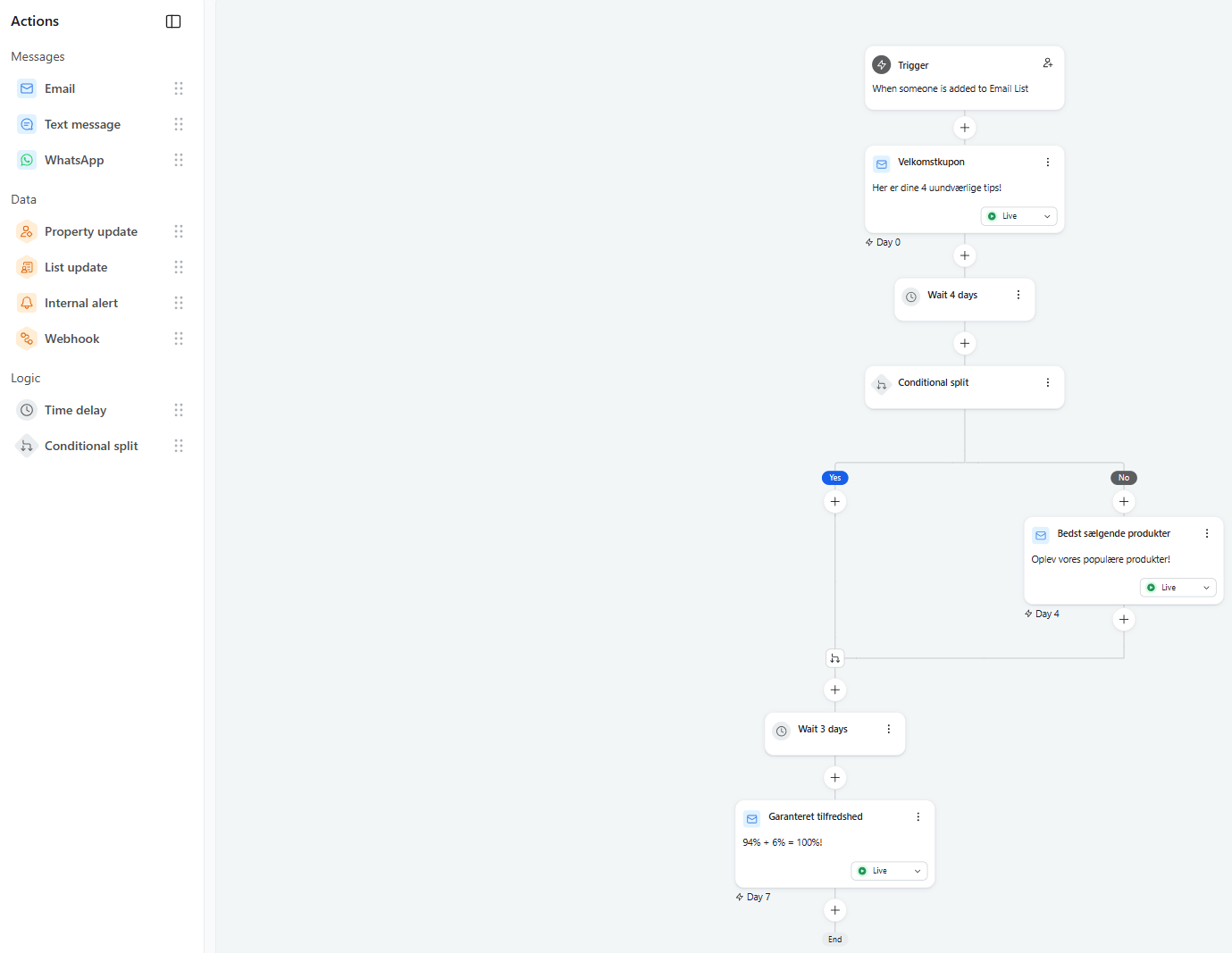
Klaviyo calls automations “flows.”
These are the automated sequences that run in the background and bring customers back to your store.
Common Klaviyo flows include:
- welcome series
- abandoned cart flow
- browse abandonment flow
- post-purchase flow
- win-back flow
- replenishment reminder
- customer thank-you flow
- VIP customer flow
- review request flow
This is where the money usually is.
Campaigns matter, but flows compound. You build them once, improve them over time, and let them keep working as your store grows.
Klaviyo’s flow builder is flexible enough for serious setups. You can create branches based on customer behavior, order value, products purchased, discount usage, engagement, and other ecommerce conditions.
This is why Klaviyo is the better long-term choice.
A simpler tool may be easier on day one. Klaviyo gives you more room to build the email system your store will need later.
Predictive Analytics
Klaviyo includes predictive analytics for things like expected next order date, customer lifetime value, and churn risk.
This becomes more useful as your store collects more customer data.
For growing stores, it can help you create smarter segments.
For example, you can target high-value customers differently, build win-back flows for customers likely to churn, or avoid over-discounting customers who are likely to buy anyway.
This is where Klaviyo starts to feel more like a retention engine than a basic email tool.
Revenue Attribution
Klaviyo shows how much revenue your campaigns and flows generate.
This is important because email should not be treated as a vague “brand channel.” For Shopify stores, email should recover carts, increase repeat purchases, bring customers back, and support launches.
Klaviyo makes that easier to track.
You can see which flows are working, which campaigns are driving sales, and whether your email program is actually paying for itself.
For Shopify store owners, that matters.
You do not want email marketing to be a black box. You want to know what is making money.
A/B Testing
Klaviyo lets you test subject lines, email content, send times, and flow branches.
This is useful once you are sending enough volume to get meaningful results.
The practical use case is simple: test the things that can actually move revenue.
Subject lines are useful. Offers are better. Flow timing can be even better.
Klaviyo gives you the flexibility to improve over time instead of guessing.
Klaviyo AI
Klaviyo has built-in AI features for things like subject lines, email copy, product recommendations, and campaign support.
This can speed up campaign creation, especially if you send often and do not have a dedicated copywriter.
But I would not choose Klaviyo mainly because of AI.
The real value is still Shopify data, segmentation, flows, and reporting. AI is a useful layer on top, not the core reason to use the platform.
SMS Marketing
Klaviyo also supports SMS marketing.
This can be useful for time-sensitive campaigns, product launches, abandoned carts, and VIP offers. It is especially valuable if SMS is already part of your retention strategy.
The practical approach is to build email first, then add SMS where it clearly strengthens the customer journey.
SMS should support your retention strategy, not replace it.
Signup Forms
Klaviyo includes popups, flyouts, embedded forms, and full-page signup forms.
The targeting is strong. You can show forms based on exit intent, time on page, scroll depth, number of visits, or specific pages.
That matters because list growth is not just about showing a popup to everyone.
You want the right offer at the right moment.
For Shopify stores, multi-step forms can also collect email first and SMS opt-in second. That makes sense if you are building both channels.
Klaviyo Pricing and Cost
Klaviyo is not the cheapest email marketing tool.
That is fine.
The better question is whether the platform can help your store make more money than it costs. For Shopify stores that use it properly, the answer is usually yes.
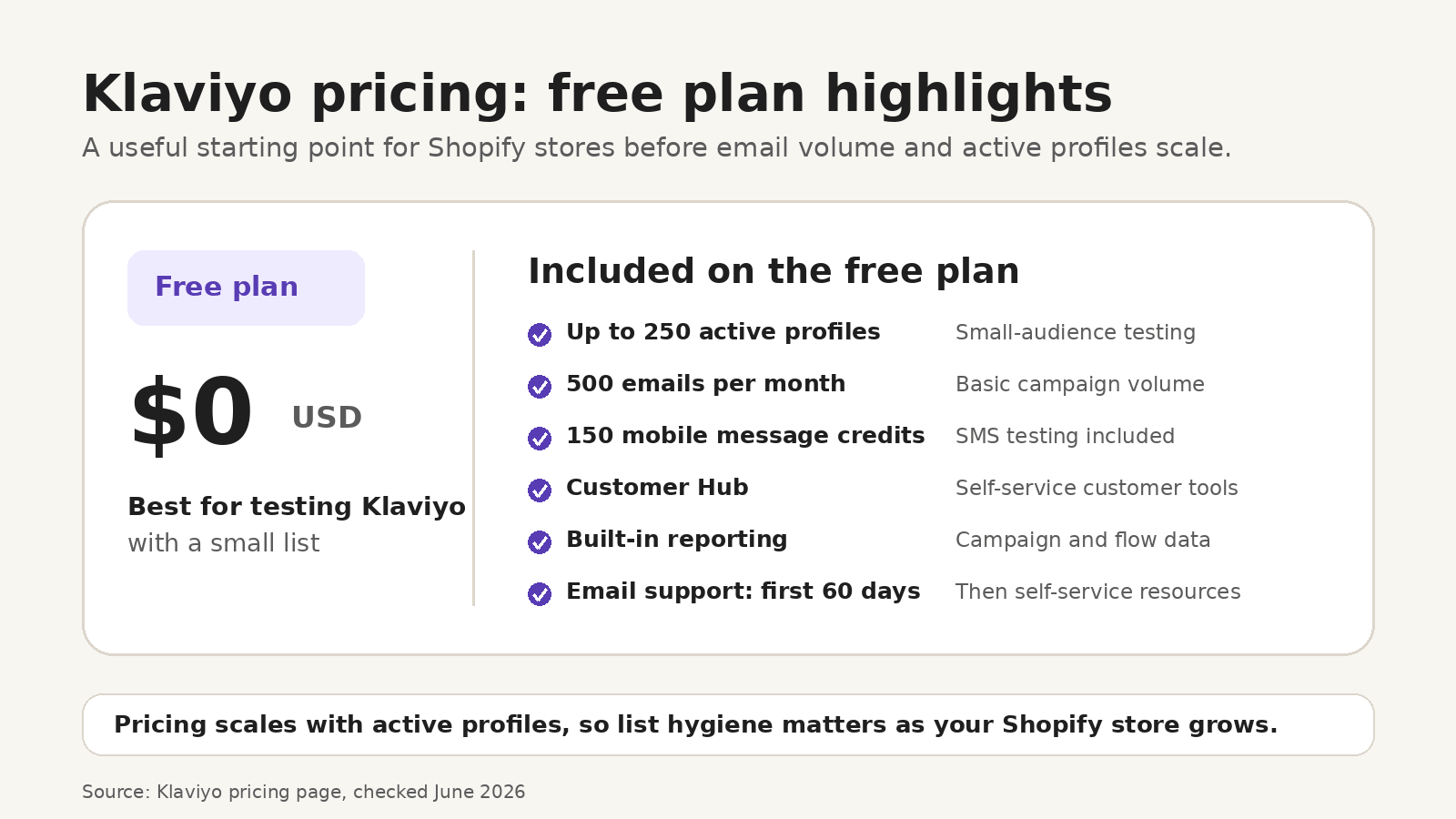
Klaviyo currently lists the free plan with up to 250 profiles, 500 emails/month, 150 mobile message credits, Customer Hub, built-in reporting, and email support for the first 60 days.
The important thing with Klaviyo pricing is that the cost scales with your active profile count.
That means Klaviyo can feel affordable when your list is small, then become a more serious expense as your store grows.
But that is how a serious retention platform should work. If your list is growing and your email program is driving revenue, paying more is not automatically a problem.
| Plan type | Best for | Main note |
|---|---|---|
| Free | Testing Klaviyo with a small list | Good starting point |
| Stores focused on email marketing | Core plan for most Shopify merchants | |
| Email + SMS | Stores using both email and SMS | Best when SMS has a clear role |
| Advanced add-ons | Larger brands with deeper needs | Useful later, not required to start |
The key pricing point is list hygiene.
If you keep inactive subscribers around forever, you may pay for people who are not opening, clicking, or buying.
Keep your list clean, build flows that convert, and Klaviyo pricing becomes much easier to justify.
For a Shopify store, Klaviyo cost should be viewed as a revenue investment, not just another app subscription.
Try Klaviyo for your Shopify storeKlaviyo is the strongest email platform for Shopify stores that want better segmentation, smarter automation, and more repeat revenue. If you’re serious about retention, this is the platform to build around.
Pros
- Best-in-class Shopify integration
- Excellent ecommerce segmentation
- Powerful automation flows
- Strong abandoned cart, welcome, post-purchase, and win-back capabilities
- Clear revenue attribution
- Useful signup forms
- Email and SMS in one platform
- Strong reporting for Shopify stores
- Good long-term fit for growing ecommerce brands
- Large integration ecosystem
- Built for serious retention marketing
- Strong platform to grow into instead of migrate away from later
Trade-Offs
Klaviyo has trade-offs, but they do not change the recommendation.
It costs more than simpler email tools. It takes more time to learn. SMS adds cost if you use it heavily. Very small stores may not use every feature immediately.
That is the trade-off.
Klaviyo gives you more power because it is built for stores that want email to drive revenue. For Shopify merchants, that is exactly the point.
I would rather start with the stronger platform than build on a cheaper tool and migrate later once email becomes important.
Klaviyo Alternatives
There are Klaviyo alternatives worth knowing, but for Shopify stores, Klaviyo is still the benchmark.
The main tools I would compare are Omnisend and ActiveCampaign.
Omnisend vs Klaviyo
For smaller Shopify stores, Omnisend can look attractive because it is simpler and beginner-friendly.
But Klaviyo is the stronger platform.
If you care about deeper segmentation, more advanced automation, better use of Shopify customer data, and long-term retention marketing, Klaviyo is the better choice.
The short version: Omnisend is easier. Klaviyo is better.
Klaviyo vs ActiveCampaign
ActiveCampaign is a strong marketing automation platform, but it is broader than ecommerce.
That is the issue.
For a Shopify-first store, Klaviyo is usually the better fit because it is more directly built around ecommerce behavior, purchase data, abandoned carts, product activity, and repeat purchases.
For a direct breakdown, read: Klaviyo vs ActiveCampaign vs Omnisend.
| Tool | Best for |
|---|---|
| Klaviyo | Shopify stores that want the strongest ecommerce email platform |
| Omnisend | Stores that want simpler setup |
| ActiveCampaign | Broader automation and CRM-style workflows |
The honest take: Klaviyo is the strongest choice for Shopify retention marketing. The alternatives are useful to understand, but Klaviyo is the platform I would choose.
Support and Learning Curve
Klaviyo is not a basic newsletter tool.
That is a good thing.
There is a learning curve around flows, segmentation, attribution, deliverability, list hygiene, SMS compliance, and campaign planning.
But that learning curve is part of the value. You are not learning a random tool. You are learning the system that can power a meaningful part of your store’s revenue.
Klaviyo has documentation, training resources, community content, and support options. More importantly, it has the structure serious Shopify stores need.
A powerful platform only helps if you use the power.
Klaviyo is worth learning.
Who Should Use Klaviyo?
Shopify stores should use Klaviyo if they want email marketing to become a real revenue channel.
That includes:
- new stores that want to build on the right platform early
- growing stores that need stronger retention
- established stores that want better segmentation
- brands that want email and SMS under one roof
- merchants who want better abandoned cart recovery
- stores that want post-purchase and win-back flows
- teams that care about email revenue attribution
- brands that want a platform they can grow into
Klaviyo becomes more valuable as your store gets more customer data.
The more purchase history, repeat buyers, browsing behavior, and product data you have, the more useful Klaviyo becomes.
But the direction is the same at every stage: if Shopify is the store platform, Klaviyo is the email platform to build toward.
Is Klaviyo Worth It?
Yes. Klaviyo is worth it for Shopify stores.
It is one of the few Shopify apps where the value can be easy to justify when used properly. Better abandoned cart flows, stronger welcome sequences, post-purchase emails, win-back campaigns, segmentation, and email revenue reporting can all directly support store growth.
The reason Klaviyo wins is simple: it is built around ecommerce data.
That makes it stronger than generic email tools and more scalable than beginner platforms.
My honest view: Klaviyo is not expensive because the platform is overpriced. It feels expensive only when a store is not yet using email properly.
For Shopify merchants who want email to drive revenue, Klaviyo is the right choice.
My Verdict
9.5 / 10
Klaviyo is my top recommendation for Shopify stores.
The Shopify integration is excellent. The segmentation is better than most competitors. The automation builder is powerful. The reporting makes it easier to see what email is actually doing for your store.
It is not the cheapest platform, but that is not the main point.
The main point is whether Klaviyo can help your store recover more carts, drive more repeat purchases, and build stronger customer relationships.
For Shopify merchants, the answer is yes.
Use Klaviyo when you want email to become a real revenue channel, not just a newsletter tool.
For Shopify stores, Klaviyo is the standard I would compare everything else against.
Build better Shopify email flows with Klaviyo
For Shopify stores, Klaviyo is the strongest platform for turning customer data into better segmentation, stronger automations, and more repeat revenue.
Frequently Asked Questions
Is Klaviyo free?
Yes. Klaviyo has a free plan. The current free plan includes up to 250 profiles, 500 emails/month, 150 mobile message credits, Customer Hub, built-in reporting, and email support for the first 60 days.
How much does Klaviyo cost for a Shopify store?
Klaviyo cost depends mostly on your active profile count and whether you use email only or email plus SMS. The more active profiles you have, the more Klaviyo costs. SMS adds another cost layer.
Is Klaviyo worth it for small stores?
Yes, Klaviyo can be worth it for small stores, especially if you want to build email marketing properly from the start. You may not use every feature immediately, but you are building on the platform you are likely to want later anyway.
Does Klaviyo work with Shopify?
Yes. Klaviyo works very well with Shopify. Product data, purchase history, customer profiles, abandoned cart behavior, and browsing activity can sync into Klaviyo, which is why it is such a strong fit for Shopify email marketing.
What are the best Klaviyo alternatives?
The main Klaviyo alternatives are Omnisend and ActiveCampaign. Omnisend is simpler. ActiveCampaign is broader. Klaviyo is still the strongest choice for Shopify retention marketing.
Omnisend vs Klaviyo: which is better?
Klaviyo is better for Shopify stores that want advanced segmentation, automation, revenue attribution, and stronger long-term retention marketing. Omnisend is easier, but Klaviyo is the stronger platform.
Klaviyo vs ActiveCampaign: which is better?
For Shopify ecommerce, Klaviyo is the better fit. ActiveCampaign is strong for broader automation and CRM workflows, but Klaviyo is more directly built around ecommerce behavior and Shopify customer data.